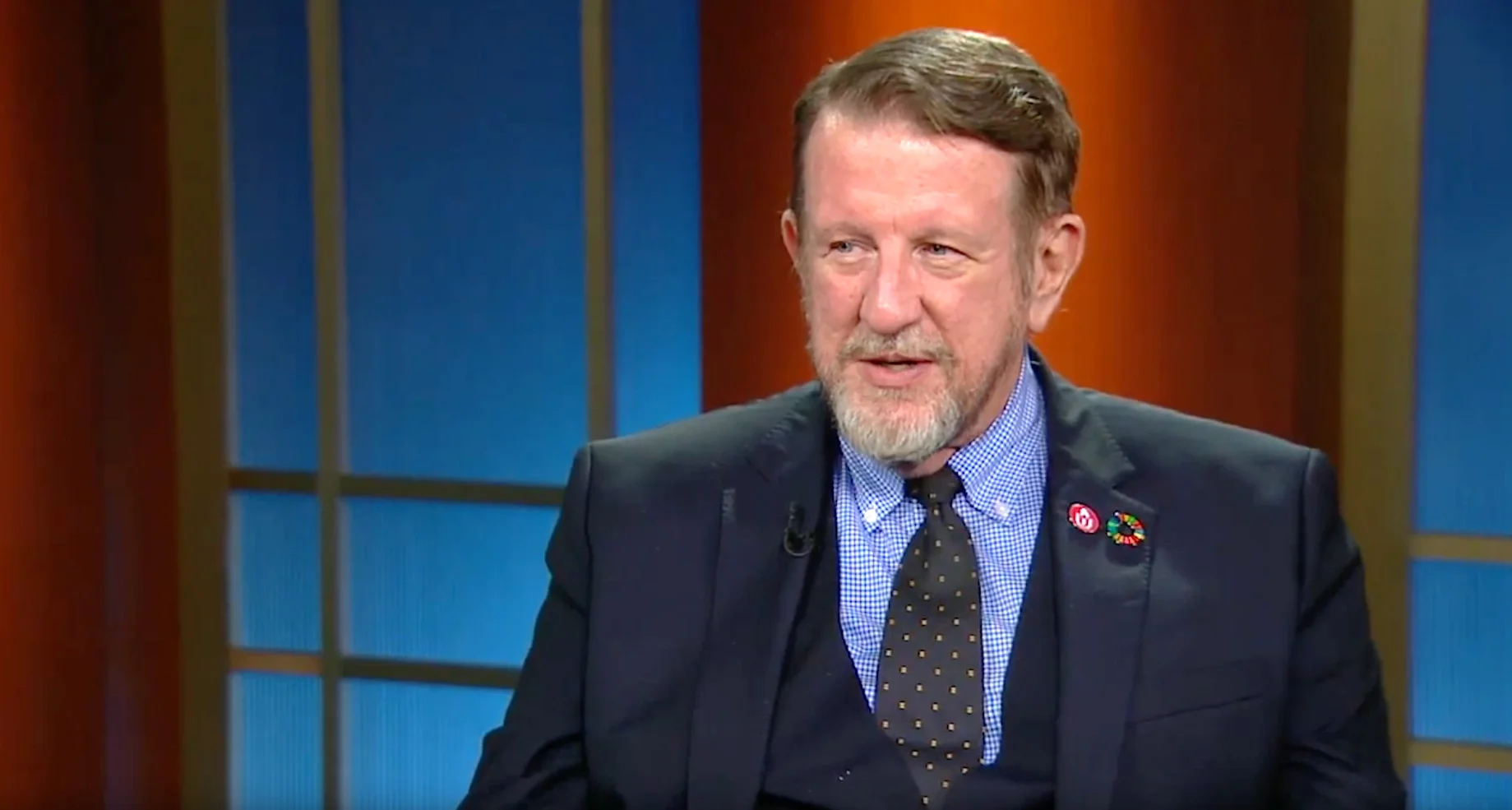
John Burroughs

John Burroughs, Executive Director of the New York-based Lawyers Committee on Nuclear Policy & Director of UN Office of the International Association of Lawyers Against Nuclear Arms, discusses a recent UN treaty to ban nuclear weapons. September 16, 2019
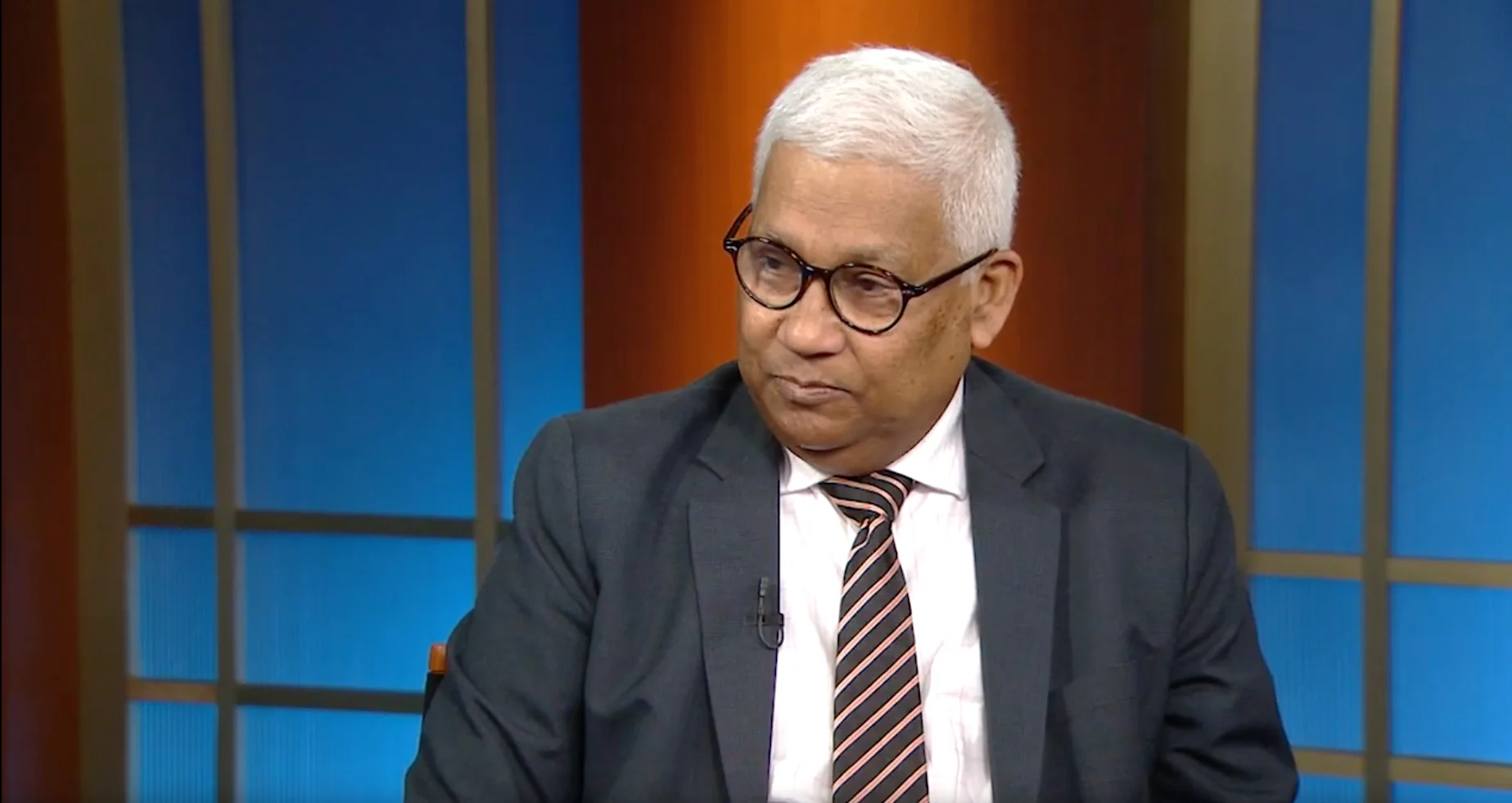
Dr. Simon Adams

Dr. Simon Adams, Executive Director of the Global Centre for the Responsibility to Protect, explains the "Responsibility to Protect," commonly called R2P and defines genocide, war crimes, crimes against humanity and ethnic cleansing. September 16, 2019
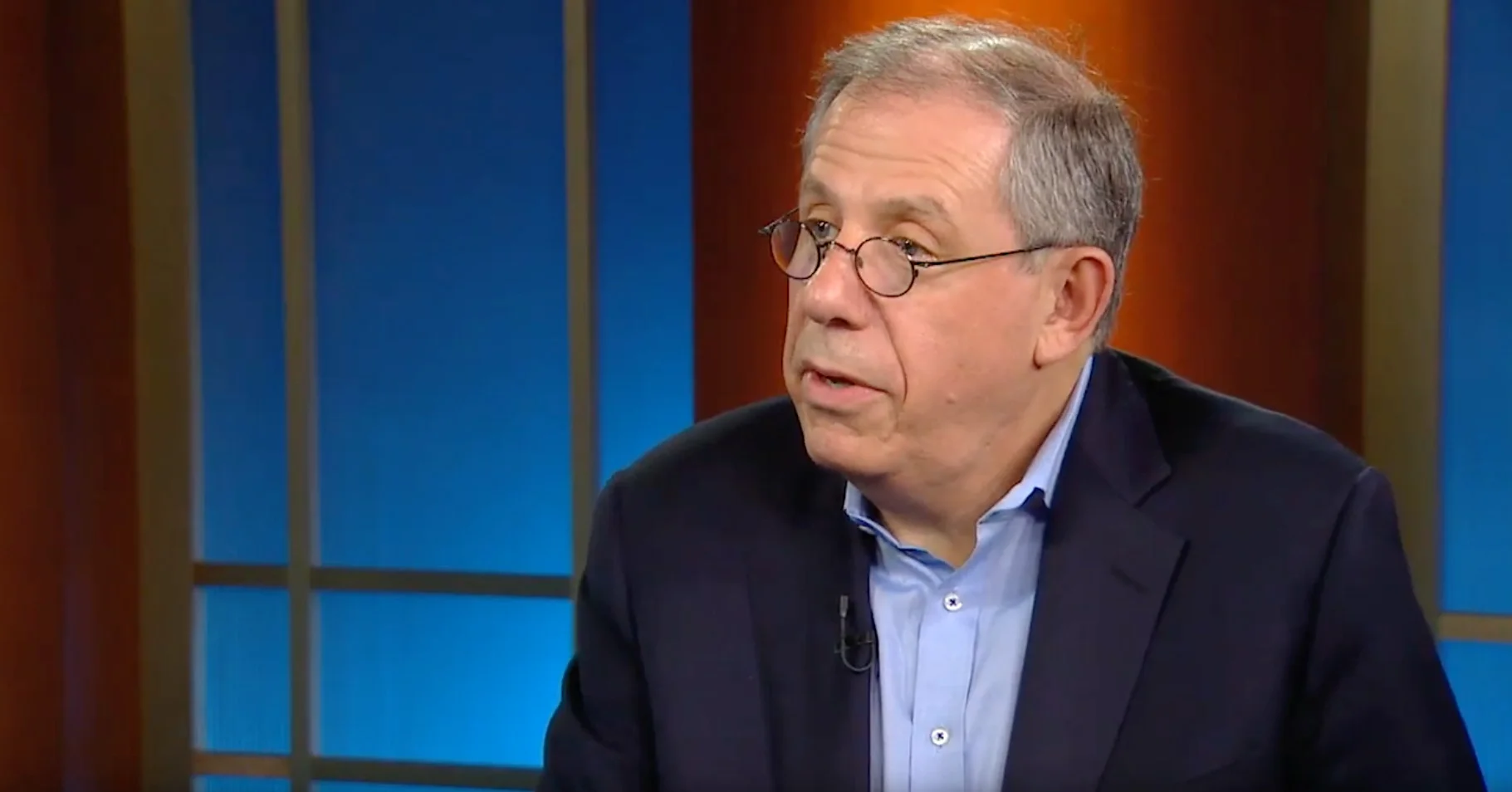
Dr. Robert Hilgers

Dr. Robert Hilgers, founder and CEO of the Women's Global Cancer Alliance in Haiti, describes how inexpensive techniques and professional commitment can save thousands of women's lives in poverty-stricken Haiti. September 16, 2019

Dr. Robert Farley

Dr. Robert Farley, Senior Lecturer at the Patterson School of Diplomacy and International Commerce at the University of Kentucky, discusses proposals, and whether they are necessary or costly boondoggles, to establish a United States Space Force as an independent military service, as well as delving into major military, naval, and aerospace issues.

Thanos Dimadis

Thanos Dimadis, President of the Association of Foreign Correspondents in the United States, explains the major challenges and threats to the media industry and journalists in the US and worldwide, as well as challenges to the EU and international cooperation. September 11, 2019

John R. Wilmoth

John R. Wilmoth, Director of the Department of Economic and Social Affairs Population Division at the UN, profiles a recent report on the "World Population Prospects 2019: Highlights" that identified population growth, fertility rates, migration, gentrification and other issues. September 11, 2019

Teena Halbig

Teena Halbig, an entrepreneur, businesswoman, and Past President of the Kentucky Division of the United Nations Association of the USA, identifies UNA initiatives to inform the American public about the services provided by the UN and how they benefit Americans and people worldwide. September 13, 2019

Jeff Brez

Jeff Brez, Chief of the NGO Relations and Advocacy Section of the United Nations Department of Public Information, highlights the importance of involving civil society, non-governmental organizations and the public in confronting problem issues, such as climate change, human trafficking and others. September 10, 2019.

Elifuraha Laltaika

Elifuraha Laltaika is Executive Director of the Association for Law and Advocacy for Pastoralists in Tanzania, and he is an expert member of the UN Permanent Forum on Indigenous Issues for 2017-2019. Mr. Laltaika highlights the Forum's main issues and how he liaisons with the 54 African countries to disseminate Forum policies that pertain to preserving indigenous peoples' homelands and languages, promoting human rights and combating climate change.

Eric Gregory

Eric Gregory, Director of the Kentucky Distillers'' Association, explains how the state of Kentucky has become the "Bourbon Capital of the World." Kentucky makes 95% of all the bourbon produced in the world; although every U. S. state has at least one distillery. July 3, 2019

Bruce Knotts

Bruce Knotts, Chair, Executive Committee, UN Nongovernmental Organization, Department of Public Information, explains how non-governmental organizations (NGOs) can work with the UN on labor, sustainable communities, peace, climate change, immigration, clean energy, human rights, education, arms control and LGBTQ issues. June 13, 2019

Dr. Abraham Joseph

Dr. Abraham Joseph, Formerly Senior Socio-Economic Affairs a Advisor in the UN Integrated Mission in East Timor with the Department for Economic and Social Affairs, discusses his book, "Timor-Leste: The History and Development of Asia's Newest Nations?, " as well as major issues such as education, poverty and climate change.

Dr. Manal Azzi

Dr. Manal Azzi, Leading Expert in the Occupational Safety and Health Branch of the UN International Labor Organization, discusses the recent report, "Safety and Health at the Heart of Future Work: Building on 100 Years of Experience," highlighting four major forces driving change: technology, demographic shifts, development and climate change and organizational flexibility.

Dr. Mordecai Ogada

Dr. Mordecai Ogada, Director of the Conservation Solutions Afrika in Kenya, focuses on topics such as preserving protected areas as a conservation tool and how to define who are indigenous peoples. He authored "The Big Conservation Lie." June 15, 2019

Agnes Marcaillou

Ms. Agnes Marcaillou, Director of the United Nations Mine Action Service, details the major logistical, educational and financial challenges to extracting thousands of landmines that potentially could kill or maim humans and livestock in nearly 60 countries, such as Afghanistan and Iraq. June 4, 2019.

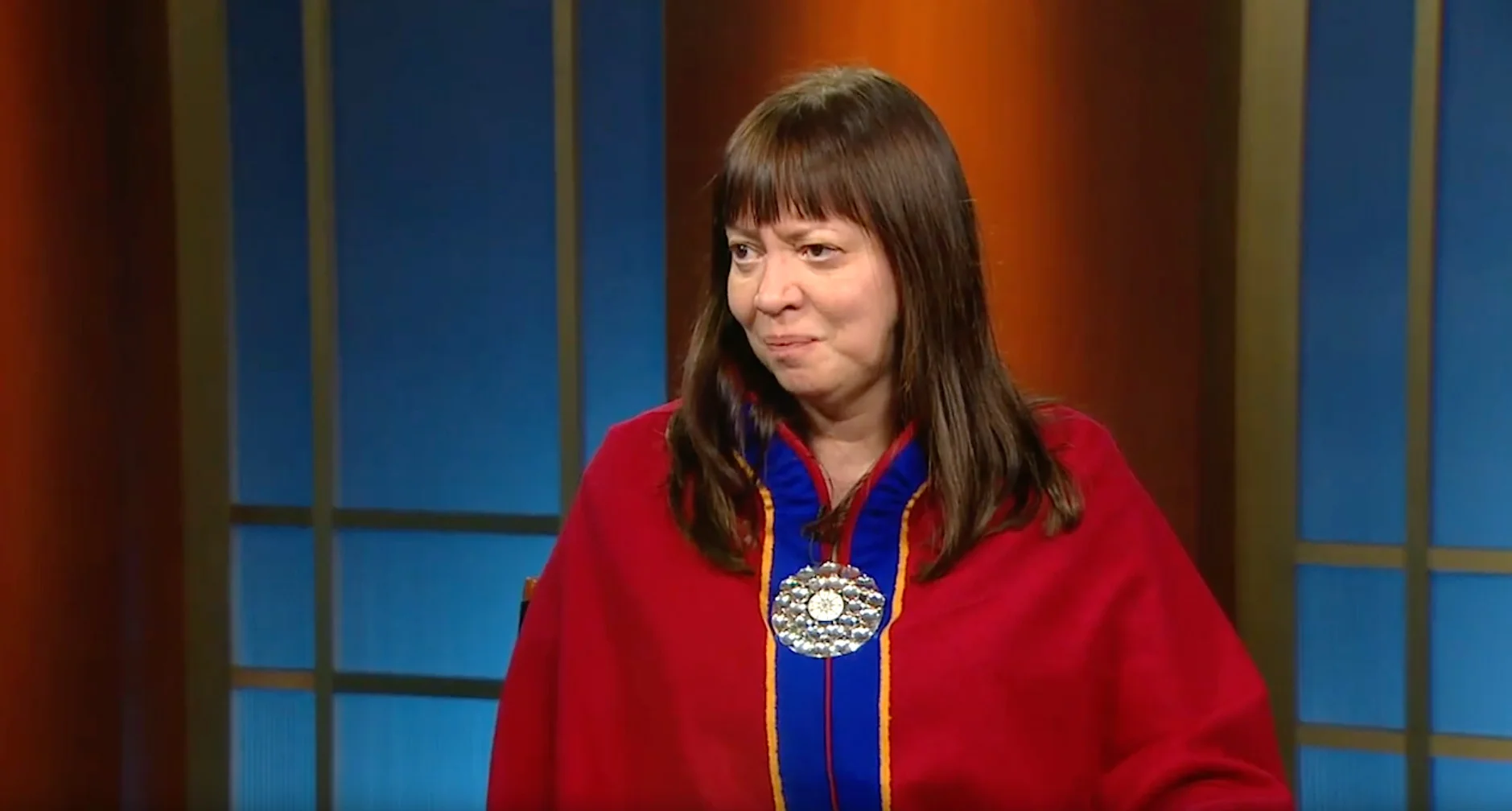
Anne Nuorgam

Anne Nuorgam, a long-term Saami politician in Finland and Chair of the UN's Permanent Forum on Indigenous Issues for 2018-19, discusses the major challenges confronting the Saami People such as loss of indigenous languages and climate change. June 4, 2019

Dr. Albert Linderman

Dr. Albert Linderman, CEO of Sagis Corporation and a cultural anthropologist guiding community change and leadership transitions, emphasizes several novel approaches to overcome the institutional barriers to social change, which apply both domestically and internationally. May 31, 2019

Cara Smyth

Cara Smyth, Vice President of the Glasgow Caledonian University New York (GCU) and founding Director of the Fair Fashion Center, explains the fashion industry's key role in helping achieve the United Nations Sustainable Development Goals, especially in the critical areas of climate change and empowering women and girls.

Rick Guidotti

Rick Guidotti, an award-winning photographer and CEO of Positive Exposure, details why he spent the past eighteen years collaborating internationally with advocacy organizations/NGOs, medical schools, and universities to change societal attitudes towards individuals living with genetic, physical, behavioral or intellectual differences. April 22, 2019

Dr. Anthony Feinstein

Dr. Anthony Feinstein is a Professor of Psychiatry at the University of Toronto and is a neuropsychiatrist. He has undertaken a number of studies investigating how front-line journalists are affected by their work covering war and man-made and natural disasters.