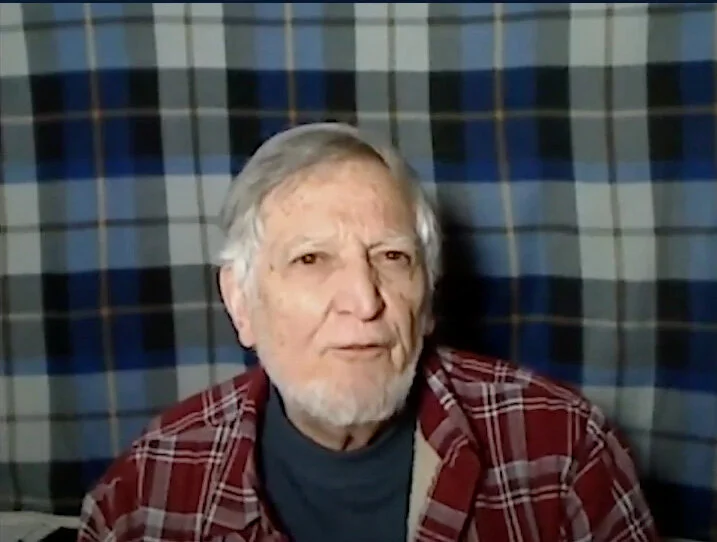
Chuck Collins

Chuck Collins, author of “Is Inequality in America Irreversible?” discusses how inequalities in the US have made America more vulnerable in many areas, such as confronting the Covid-19 pandemic, evading taxes, and how the US is becoming a more inequitable country with wealth flowing to the top .1 of 1%. Mr. Collins is also the director of the program on Inequality and the Common Good at the Institute for Policy Studies in D.C.
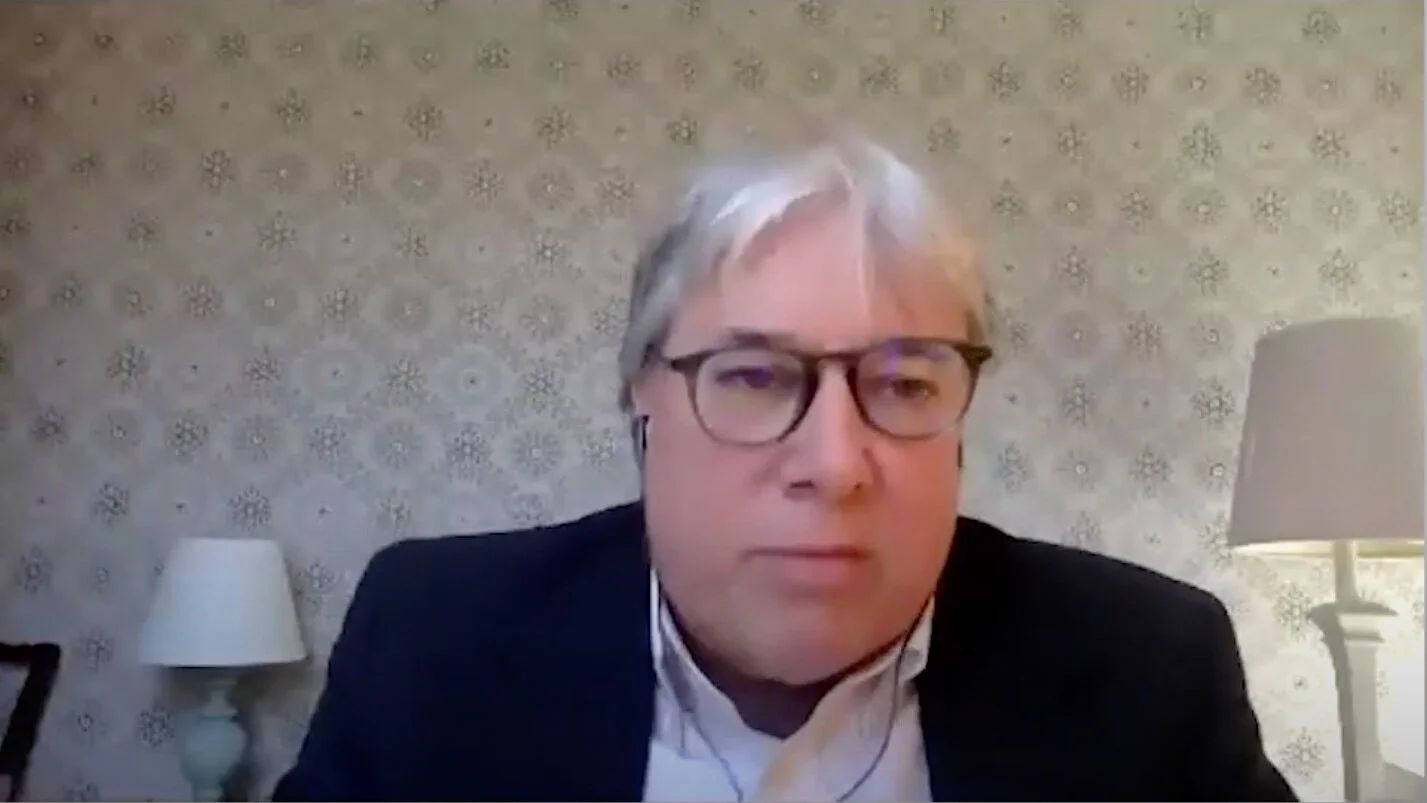
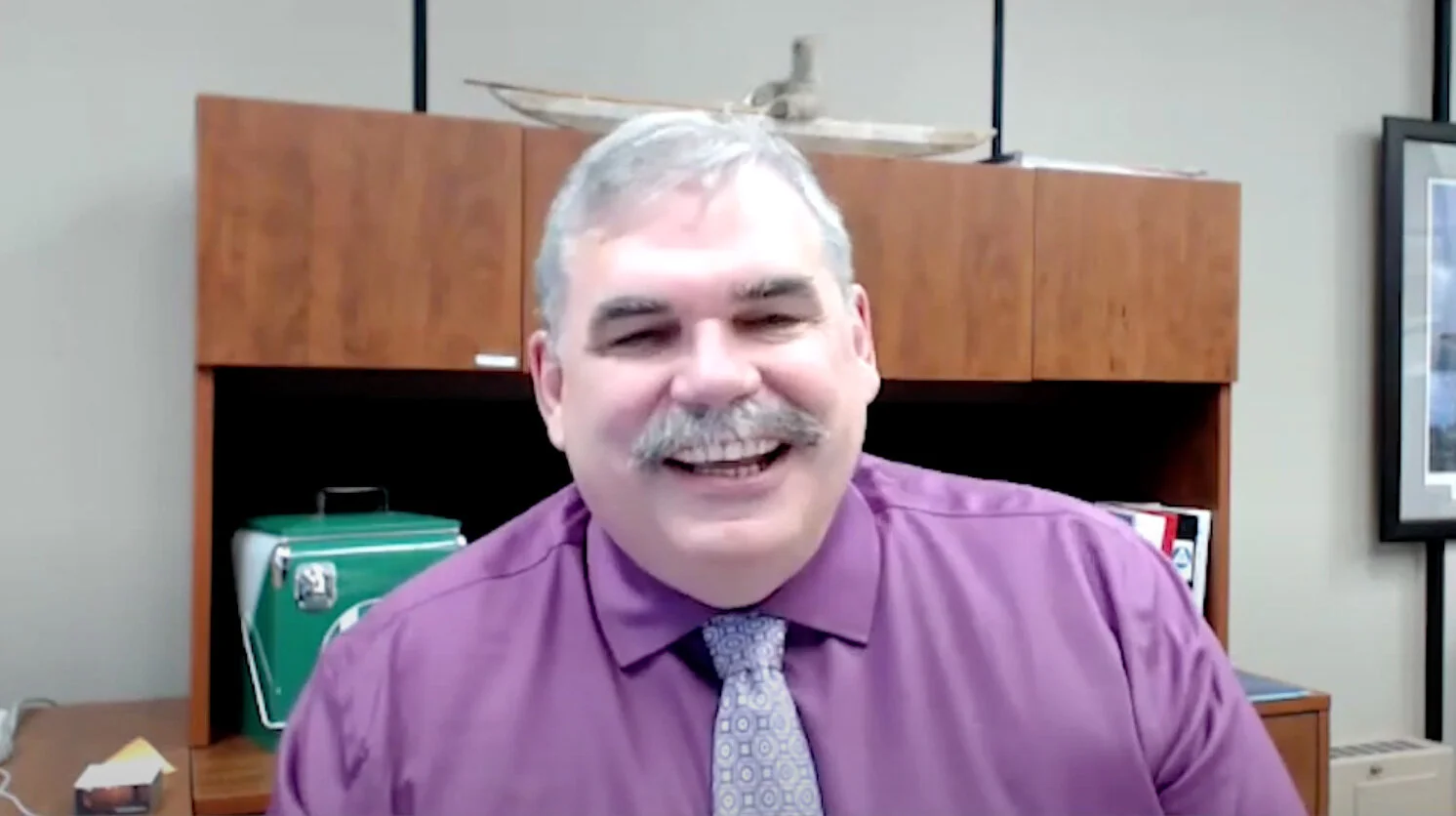
Randy Patrick

Randy Patrick, City Manager of North Battleford, Saskatchewan, Canada, shares his observations regarding the advantages and disadvantages of living in a small, micro-city, especially when confronting the challenges of climate change, reverse economic investment, educational and health care systems and job creation. Futuristic foresight is critical in identifying and confronting potential challenges.

Forrist Lytehaause

Forrist Lytehaause, Chief Enabling Officer or CEO of Planetary CARE, is an architect, scholar, researcher, synergist and strategist, who has worked in the areas of blockchain, multi-stakeholder collaborations and cooperatives, and an exponential organization platform development model toward accelerating “Building Global Resilience through Regenerative Agriculture.´ He stresses how proper soil stewardship is critical to confronting the climate crisis and providing future food supplies.

Carol Spahn and John Hewko

John Hewko, CEO and General Secretary of Rotary International, and Carol Spahn, Acting Director of the US Peace Corps, discuss a unique partnership that was fostered by the Partnering for Peace group. The emphasis is to bring Peace Corps Volunteers in over 60-countries, Returned Peace Corps Volunteers and 1.2 million Rotarians to collaborate on humanitarian and development projects, as well as focus on Rotary and Peace Corps Peace Week from September 20-26.

Dr. Arquilla

Dr. John Arquilla, Distinguished Professor Emeritus of Defense Analysis at the U.S. Naval Postgraduate School, highlights his recent book titled “Bitskrieg: The Challenge of Cyberwarfare,” and explains the importance of confronting cybersecurity threats and a potentially emerging international “Cool Cyber War” that could spiral out of control.

Dr. Dot Maver

Dr. Dot Maver, educator, peacebuilder and founding president of the National Peace Academy USA focuses on a wide range of peace initiatives such as a 2021 Peace Education Conference, the UN International Day of Peace and the importance of the United Nations Sustainable Development Goals.

Jennifer Jones

Jennifer Jones, who will be the first woman president of Rotary International in 2022, discusses key programs pertaining to diversity, peace, and the environment, and highlights the importance of partnerships, such as with the United Nations, US Peace Corps, the CDC and Partnering for Peace, especially on major programs such as Polioplus.

Dr. Tom Tuttle

Dr. Tom Tuttle, former Director of the University of Maryland Center for Quality and Productivity in College Park, suggests rethinking the traditional approach to economic development and highlights the importance of a vibrant democracy to the success of America, especially in light of the Trump-inspired January 6 insurgency to overthrow a fair and free election and the dysfunctional role of some media outlets such as Fox, OANN and Newsmax, in weakening democratic institutions in the US and worldwide.

Tim Jackson

Tim Jackson, Director of the Centre for the Understanding of Sustainable Prosperity and Professor of Sustainable Development at the University of Surrey (UK), and author of “Post Growth: Life After Capitalism,” identifies the strengths and weaknesses of Capitalism in dealing with income inequality, consumerism, globalization and climate change.

Ken Conca

Dr. Ken Conca, professor of International Relations in the School of International Service at American University and author of “An Unfinished Foundation: The United Nations and Global Environmental Governance,” focuses on the critical role of the UN in confronting climate change and the importance of the US’s strong participation in the Paris Climate Accords.

Michael Butter

Dr. Michael Butter, Professor of American Literary and Cultural History at the University of Tübingen and author of “The Nature of Conspiracy Theories,” explains how these concepts are dangerous in spreading disinformation and undermining democratic institutions worldwide, such as the Trump Insurgency on January 6, 2021, QAnon, Fox, Newsmax, OAN and other right-wing outlets.

Dr. Takuma Melber

Dr. Takuma Melber, a Japanese-German historian, who teaches History and Trans-cultural studies at the University of Heidelberg in Germany, discusses his recent book, “Pearl Harbor,” which highlights the role of FDR, Hirohito and major miscommunications before the December 7, 1941, Japanese surprise attack on the US-Pacific Fleet.

Salvador Macip

Dr. Salvador Macip, who is the head of the Mechanisms of Ageing and Cancer Lab at the University of Leicester (UK), focuses on his recent book, “Modern Epidemics: From the Spanish Flu to COVID-19”, and the importance of preparing for the next outbreak by strengthening the UN’s World Health Organization, using an advanced warning system and relying on scientific information-as opposed to how the US, Brazil, Mexico and Belarus mishandled the current pandemic.

Jayne Fleener

Dr. Jayne Fleener, a Futurist and Professor of Educational Leadership, Policy and Human Development in the College of Education at North Carolina State University, discusses the transformational changes occurring in education, especially in the area of myths pertaining to competition, consumerism and progress.

Allen Goben

Dr. Allen Goben, Past President of Tarrant County Northeast College Campus and Senior Consultant for Communities of the Future, identifies how educators are rethinking learning systems and developing innovative listening skills that will assist in combating climate change and confronting some media disinformation.

Nathan Bomey

Nathan Bomey, “USA Today” Reporter and Author of "Bridge Builders: Bringing People Together in a Polarized Age," posits that the task of bridge builders who promote successful communication between polarized groups is made more difficult due to the potentially large amount of misinformation and disinformation often propagated by media outlets such as Fox and OAN.

John Feffer

John Feffer, Author of Splinterlands and Director of Foreign Policy in Focus at the Institute for Policy Studies, contrasts the Trump and Biden Administrations, especially with Biden’s positive policies on climate crisis, human rights, utilizing UN programs and nuclear nonproliferation--while Trump's policies weakened America and incited an illegal insurgency on January 6.

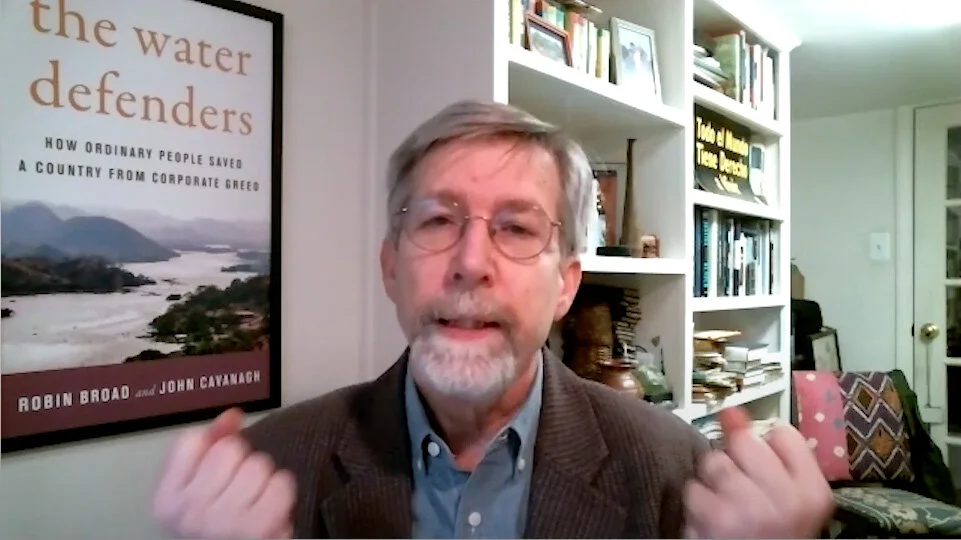
John Cavanagh

John Cavanagh, Former Director of the Institute for Policy Studies and author of “The Water Defenders: How Ordinary People Saved a Country from Corporate Greed," explains how people in El Salvador banned mining to save the rivers and protect environmental areas from economic plunder by large mining corporations.

Dr. Andrei Tsygankov

Dr. Andrei Tsygankov, Author of "Russia and America: The Asymmetric Rivalry" and a Professor in the Department of Political Science and International Relations at San Francisco State University, describes how Russia and the US could reduce tensions regarding Ukraine, NATO and their nuclear arsenals, as well as analyzing the cozy relationship between Donald Trump and Vladimir Putin.

Ruben Nelson

Ruben Nelson, Executive Director of Foresight Canada, focuses on the climate change crisis, the Sixth Extinction, clean energy and the potential disintegration of society, unless the political leaders, private sector and people worldwide realize that immediate action is necessary to confront the crisis.